


Renovation, Repair & Painting (RRP) & Lead Safe Work Practices
Helping Contractors and Property Owners Work Safely Around Lead-Based Paint
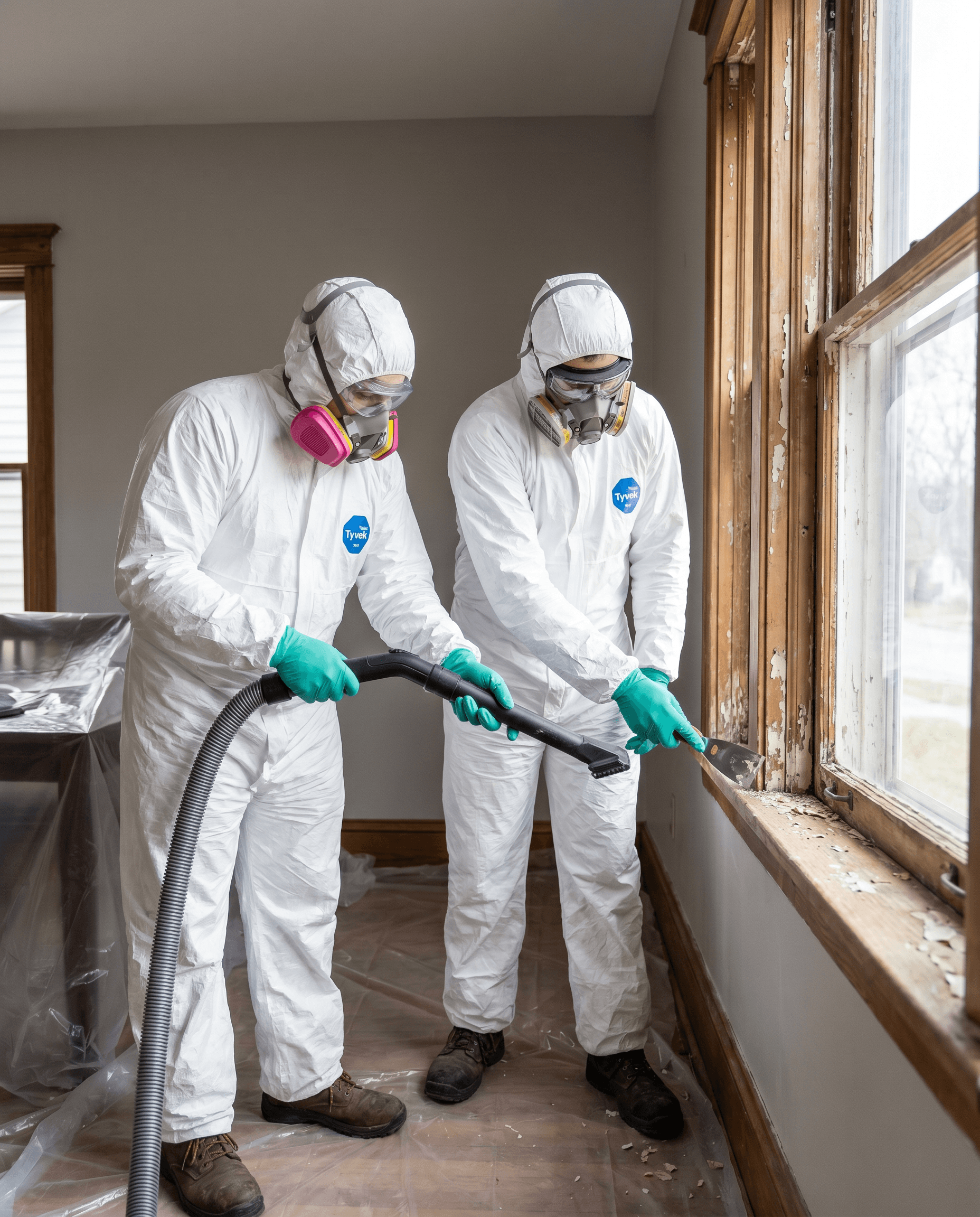
Renovation, repair, and painting activities in buildings constructed before 1978 can disturb lead-based paint and create lead dust hazards. Without proper planning and controls, these activities may expose occupants, workers, and surrounding areas to potential lead hazards. Lead dust is invisible to the naked eye and can remain in carpets, on floors, and on windowsills long after work is completed.
LEW Environmental provides guidance, inspections, documentation support, and compliance consulting related to Renovation, Repair and Painting (RRP) requirements and lead-safe work practices. Our team works with property owners, contractors, schools, municipalities, and facility managers to help identify lead concerns, understand project requirements, and implement appropriate controls before renovation activities begin.
Our RRP & Lead Safe Work Practice Services
The EPA Renovation, Repair and Painting (RRP) Rule (40 CFR Part 745) establishes lead-safe work practice requirements for contractors performing renovation activities that disturb lead-based paint in pre-1978 homes, child-occupied facilities, and applicable buildings. Requirements may also apply under additional federal, state, and local programs, including HUD Lead Safe Housing requirements (24 CFR Part 35) for applicable federally assisted housing.
LEW Environmental helps clients reduce liability, protect occupants, and support regulatory compliance by providing practical environmental guidance throughout renovation and rehabilitation projects.
Contact Us for RRP Compliance Support
Lead-safe work practices are not optional when working in pre-1978 buildings. Protect your workers, occupants, and business from lead exposure and regulatory liability. Contact LEW Environmental today for RRP compliance support across New Jersey, New York, and New York City.
When Are RRP Services Needed?
Lead-safe work practices are required whenever renovation activities disturb lead-based paint in pre-1978 buildings. Here is when you should engage LEW Environmental for RRP compliance support:
Any renovation, repair, or painting activity that disturbs painted surfaces in a pre-1978 home or child-occupied facility triggers RRP requirements. This includes work on windows, doors, walls, trim, floors, and exterior surfaces. Contractors must be EPA certified and follow lead-safe work practices.
Routine maintenance including window repair, door replacement, plumbing work, and electrical work can disturb lead-based paint. Even minor activities like drilling, sanding, or cutting can create lead dust hazards requiring proper controls.
Window and door replacement are among the most common activities that disturb lead-based paint. Friction surfaces on windows and doors are particularly prone to lead dust generation. RRP requirements apply to all window and door replacements in pre-1978 buildings.
Interior repairs including drywall patching, trim work, and floor refinishing may disturb lead-based paint. Exterior repairs including siding replacement, porch repair, and painting also trigger RRP requirements. Lead-safe work practices are required regardless of the size of the project.
Child-occupied facilities including schools, daycares, and preschools have additional lead safety requirements. The EPA RRP Rule applies to renovation work in these facilities, and some states have more stringent requirements. LEW Environmental provides specialized support for educational and childcare facilities.
Property owners and facility managers with multiple pre-1978 buildings should implement lead compliance programs to manage RRP requirements across their portfolio. We provide program development, staff training, and ongoing compliance support.
Projects receiving HUD funding or federal assistance must comply with the Lead Safe Housing Rule (24 CFR Part 35). These requirements are more stringent than the EPA RRP Rule and include specific clearance testing and documentation requirements. LEW Environmental provides specialized support for HUD-funded projects.